
 +49015172504268
 Write to us!


 Cart

 Your cart is empty.
Applied filters:
 Filter
Applied filters:
Price
Vendor
Bed size
Bed colour
- White
- ash
- unvarnished wood
- Lano
- with
- for
- Furniture
- Light grey
- House bed
- Medium-soft
- Teepee
- Unlacquered wood
- GPSR
- Bunk bed
- Olive green
- Walnut
- Black
- White+
- a / one
- Cream-coloured
- Graphite-coloured
- Ash grey
- Cotton
- Pine
- Unpainted wood
- Olive
- Cashmere
- Cinnamon
- Milk chocolate
- Dark chocolate
- Graphite
- Grey
- Blue
- Pink
Mattress type
Mattress material
Firmness of the mattress
Mattress size
- 60x120
- 120x180
- 140x180
- 160x180
- 180x180
- 100x2200
- 70x130
- 70x140
- 70x150
- 70x160
- 70x170
- 70x180
- 70x190
- 70x200
- 80x150
- 80x160
- 80x170
- 80x180
- 80x185
- 80x190
- 80x200
- 90x160
- 90x170
- 90x180
- 90x190
- 90x200
- 100x180
- 100x190
- 100x200
- 110x190
- 110x200
- 120x190
- 120x200
- 130x190
- 130x200
- 140x190
- 140x200
- 150x180
- 150x190
- 150x200
- 160x190
- 160x200
- 170x190
- 170x200
- 180x190
- 180x200
- 200x200
Age of user
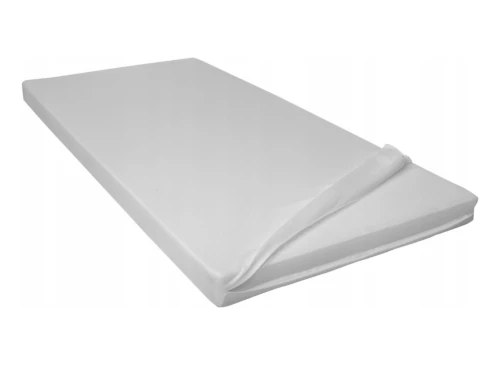
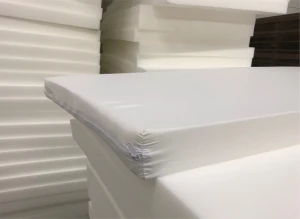
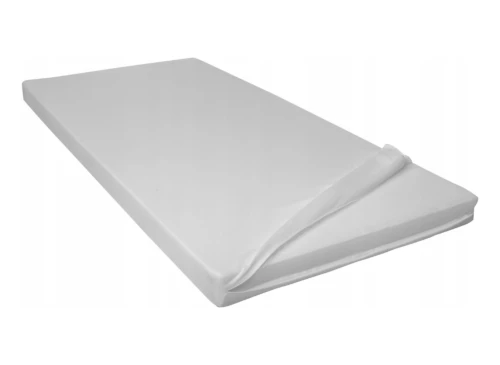
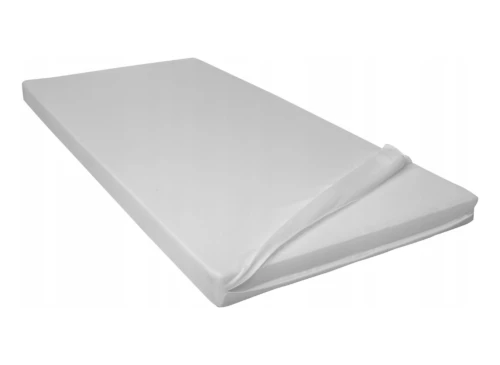
Foam mattresses













 Sort
Get to know Lano foam mattresses better
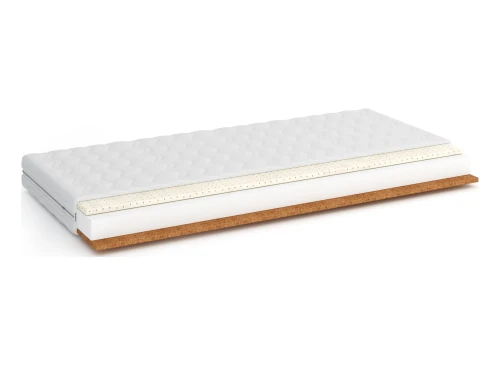
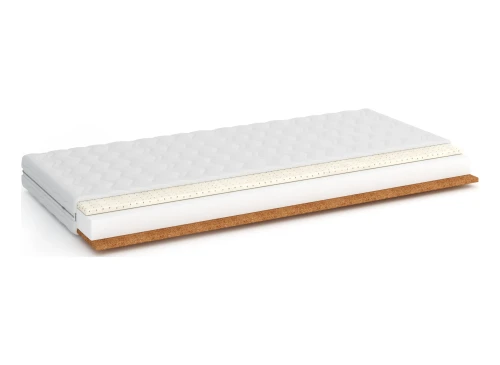
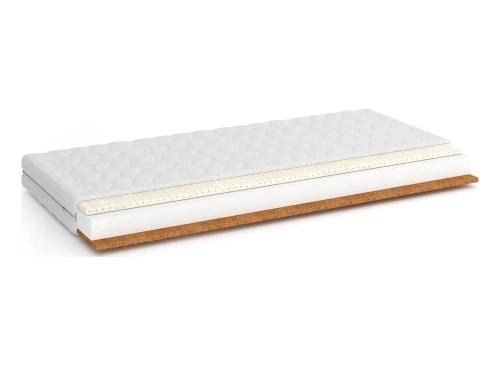
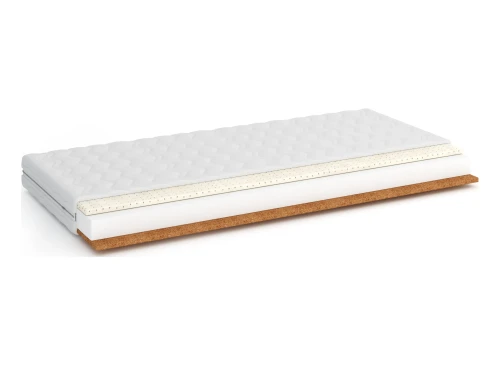
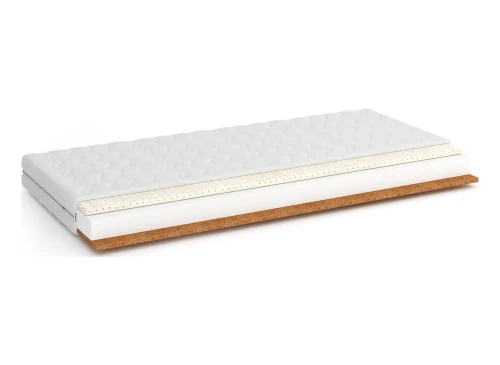
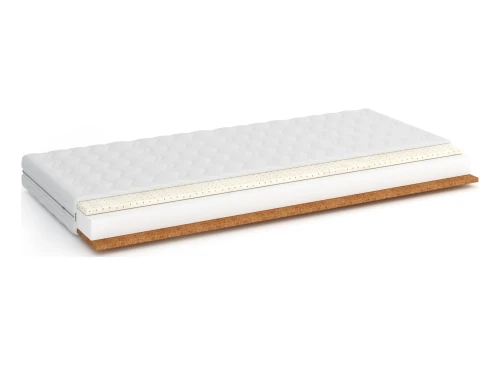
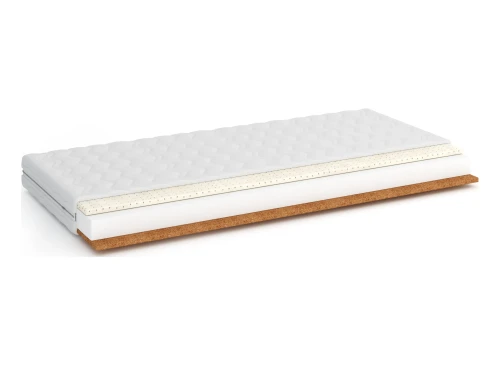
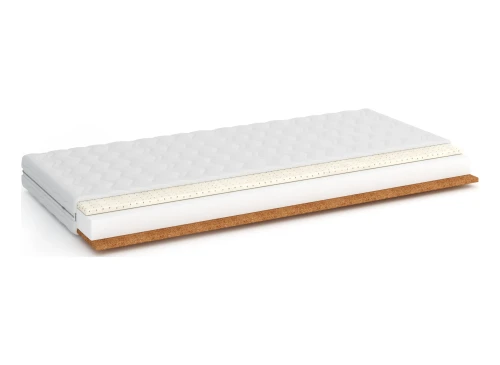
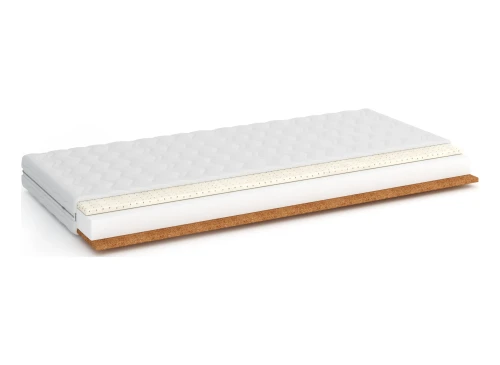
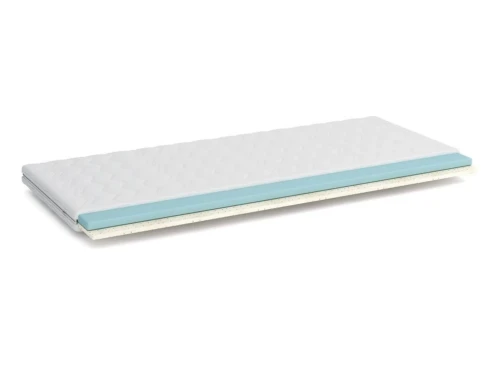
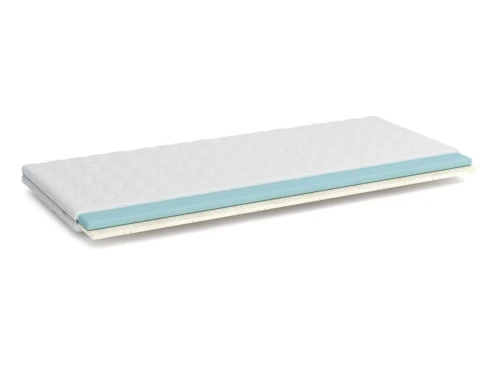
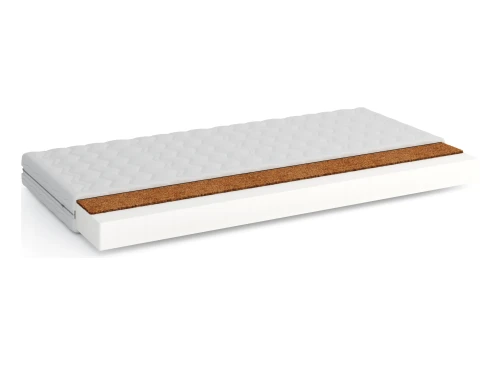
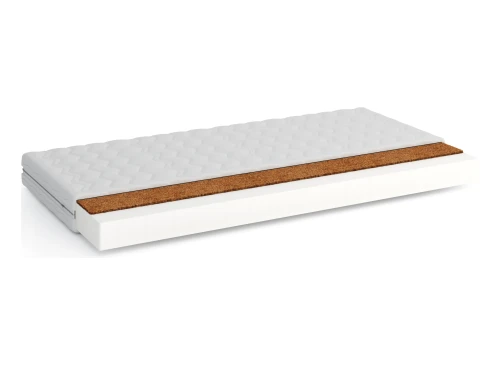
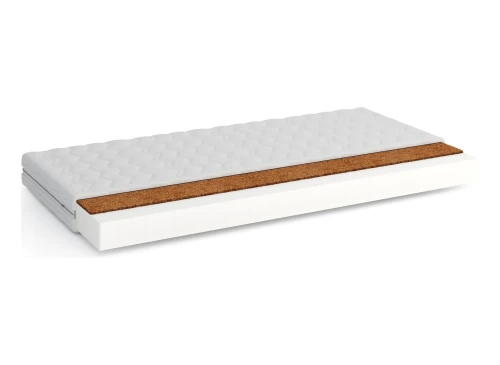
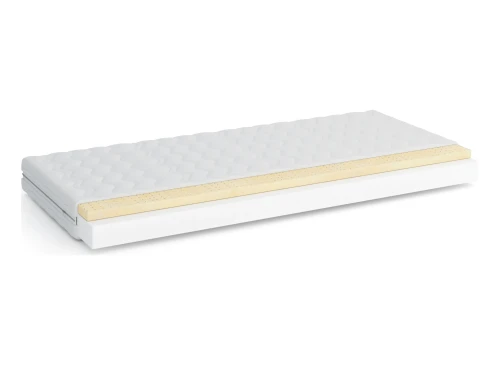
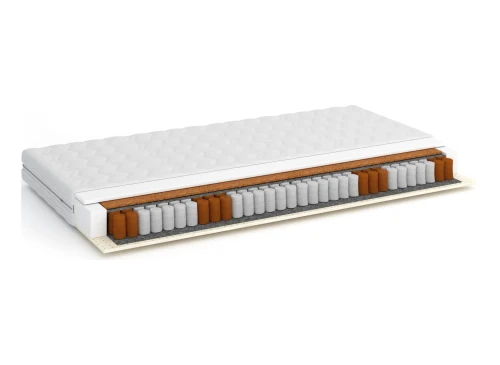
A foam mattress is a light and flexible alternative to classic springs: it adapts well to the child's body and does not transfer movement to the other side of the bed. Inside you will find latex, coconut fibre, or thermoelastic foams, and each of these materials has different properties.
Latex and synthetic foams flex and return to shape well, coconut fibre is firmer and more stable. Thanks to this, a foam mattress can be chosen for both an infant and an older, heavier child.
| Type of filling | Properties | Recommended for |
|---|---|---|
| Latex | Natural elasticity, adapts well to the body, breathable | A universal choice, children of all ages |
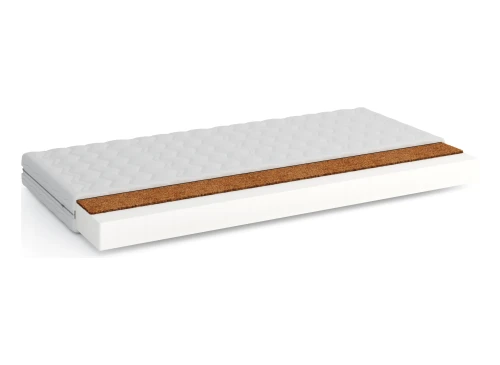
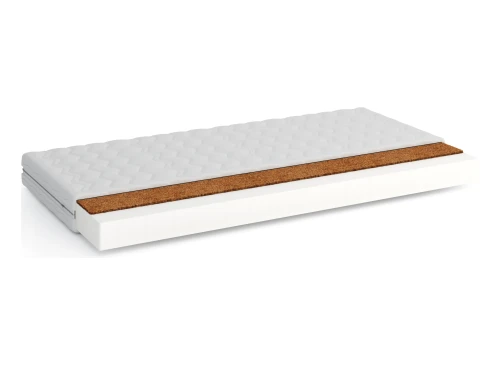
| Coconut fibre | Firm and stable, good ventilation, natural fibre | Infants and toddlers needing a firm surface |
| Thermoelastic foam | Softens under body heat, adapts point by point | Older children, more sensitive to pressure |
What to look for when choosing
- Foam density. The higher the density, the more durable and elastic the mattress. Cheaper models usually have a lower density and lose their shape more quickly.
- Breathability of the filling. The open structure of the foam and natural fibres, such as coconut, allow air to circulate freely, which reduces the accumulation of moisture inside the mattress.
- Firmness matched to age. Infants need a firmer, stable surface, such as coconut fibre, while older children can sleep on softer foams.
- Hypoallergenic materials. Latex and synthetic foams used in children's mattresses are usually hypoallergenic and resistant to dust mites.
The cover: a small detail that makes a big difference
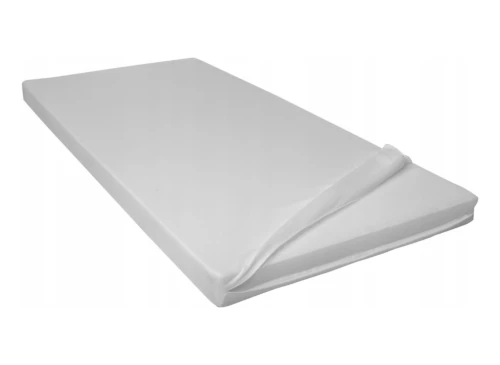
Spilled drinks, snack crumbs, or nighttime accidents are an everyday occurrence in a child's room. A cover that can be removed and machine washed (usually at up to 60°C) allows you to quickly restore the mattress's freshness.
Cover fabrics are selected to be breathable and not irritate a child's delicate skin. This is particularly important for allergies and the sensitive skin of the youngest.
The quilted cover not only looks nice but also adds softness to the sleeping surface, easing the child's body's first contact with the mattress.
Frequently asked questions
Which mattress should I choose for a child?
The choice depends primarily on the child's age and weight, as well as their individual preferences. Infants and toddlers need a stable, medium-firm surface, while older children and teenagers can sleep on mattresses matched to their liking, from medium-soft to firm. The size of the bed and the ease of keeping the cover clean are also important. You can find a full set of tips in our guide on how to choose a mattress .
What is the difference between latex and coconut fibre?
Latex is flexible and flexes well, adapting to the child's body, and returns to its original shape when the weight is removed. Coconut fibre is much firmer and more stable, making it a good surface for infants and toddlers.
Is a foam mattress safe for an infant?
Yes, provided it is of the appropriate firmness. Mattresses with coconut fibre or other firm foam are usually recommended for infants, because a surface that is too soft does not provide proper support for the developing spine.
How long will a foam mattress last for a child?
A good quality foam mattress of the appropriate density can last for several years. However, it is worth checking from time to time whether the foam has not lost its elasticity, especially in the places where the child sleeps most often.
Are you wondering which mattress to choose for your child?
See our age-appropriate foam mattress suggestions, from the first cot to a teenager's room, or browse the full range of mattresses by age .